Yoga Nidra is becoming increasingly popular, and rightly so. In our busy lives, we crave time to relax and recharge. Some peace and quiet, time for ourselves and time to rest. Yoga Nidra brings you just that and more.
Yoga Nidra guides you through meditation and helps you achieve a calm state of awareness. Whether you want to sleep better, feel less anxious, or reconnect with yourself, this practice offers a peaceful escape from everyday life. Discover deep relaxation with Yoga Nidra, known as "yogic sleep".

Yoga Nidra
“A state of shallow sleep done in waking allows the brain to get better at turning off and falling asleep in the evening”
Andrew Huberman, Stanford Neuroscientist
What is Yoga Nidra?
Yoga Nidra is a guided meditation technique that takes you into a calm state between waking and sleeping, letting you rest while staying aware. In just 30-45 minutes of Yoga Nidra, you can experience the restorative benefits equivalent to several hours of sleep!
It's particularly beneficial if you’re looking for stress reduction (release tension in your body), rest and improve your sleep quality. Anyone can do it, whether you’re a beginner or a pro, and requires no physical effort.
How does Yoga Nidra work?
Yoga Nidra is practiced lying down in savasana (corpse pose). It starts by settling into a comfortable position, closing your eyes and quieting your mind. By taking slow, deep breaths you can center your mind and body. A Yoga Nidra session, might consist of 8 stages.
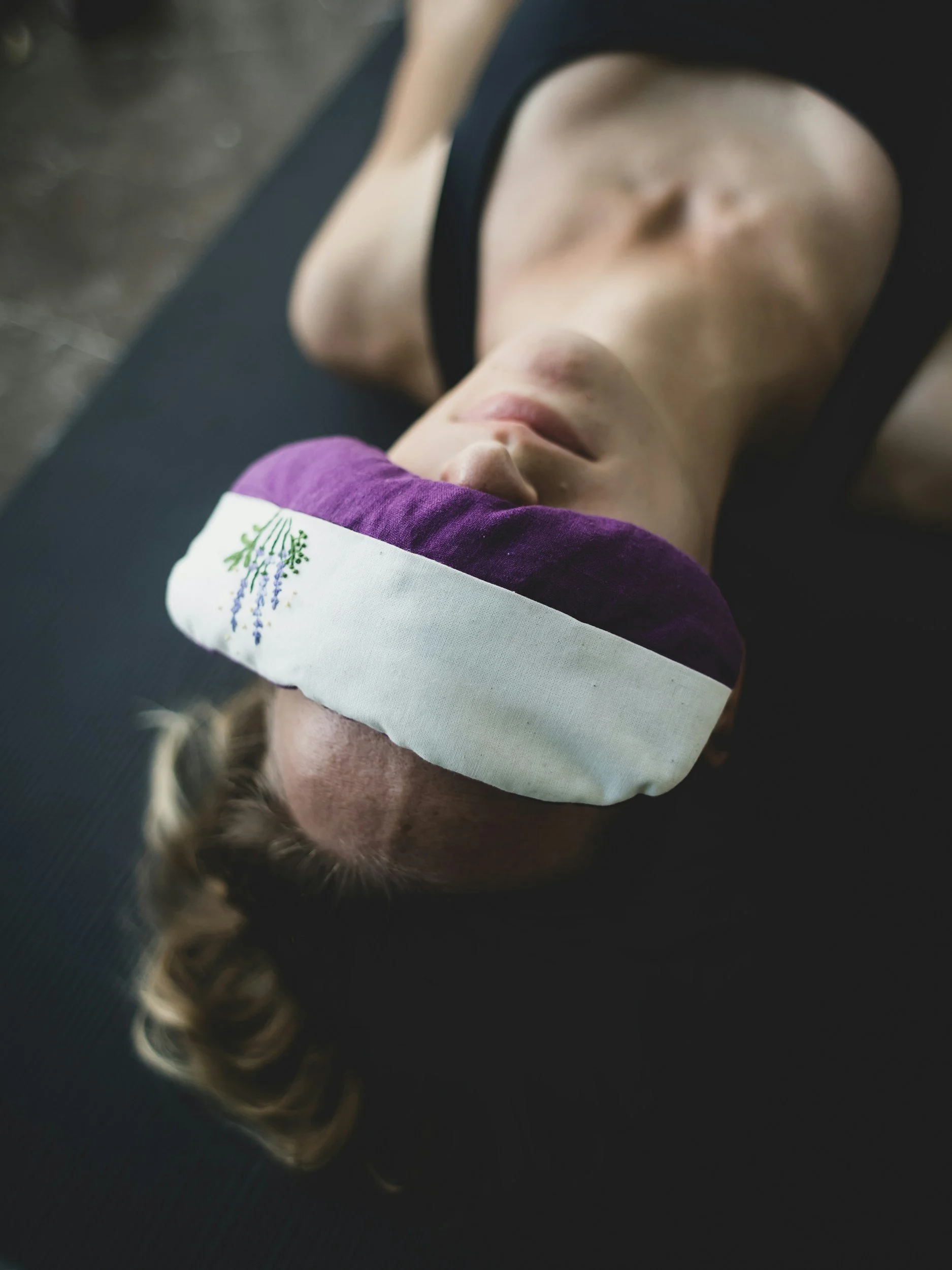
Supercharge yourself with Yoga Nidra
The 8 stages of Yoga Nidra:
Here is a more detailed breakdown of the 8 stages of a Yoga Nidra session:
Preparation
The fist stage is settling into the practice: lay down in savasana, relax your body and turn your attention inward.
Setting an intention (Sankalpa)
If you want to, you can set an intention for your practice. A Sankalpa is a powerful, positive statement used during guided meditation to help reprogram the subconscious mind.
It is a typically simple, soothing phrases that affirm self-worth, inner peace, and personal growth. When repeated in a state of deep relaxation, they can dissolve limiting beliefs and create lasting change in mental and emotional patterns.
Examples of affirmations:"My body is relaxed, my mind is calm”"I love and accept myself unconditionally”"I believe in myself and my abilities"
Body Awareness
Following a guided body scan, you gently bring your attention to each part of your body and release tension. Sometimes you do this with your mind alone, and sometimes you do it by flexing and relaxing different parts of your body.
Breath Awareness
The session might move on to some breathing excercises (Pranayama’s):
Breathing excercises such as:Bhramari (buzzing bee breath)Nadi Shodhana (alternate nostril breathing)Breath HoldingBreath Counting
Letting go of all thoughts and doing
During this practice you are encouraged to let go of all thoughts and doing. This allows you to shift from the sympathetic nervous system (active) to the parasympathetic (rest) nervous system.
This shift -to the parasympathetic nervous system- calms your mind, reduces stress, and boosts your energy without needing to sleep. It’s a quick, refreshing break for your brain.
Visualization
Using visualization, such as hiking in the mountains, the attention is drawn more deeply within.
Sankalpa repeated
The initial intention is repeated mentally, reinforcing its power.
Externalization
To finish the practice, you are guided to bring your awareness back slowly to the surroundings, preparing you to conclude the practice with refreshed focus.

There are affiliate links in this post and I may earn a small commission if you decide to buy an item (at no additional cost to you). Every little bit helps keep the free content flowing and supports my small business. Thank you for your support!
5 Benefits of Yoga Nidra
Yoga Nidra is a break from daily stress, helping you find inner peace and balance. It can be as restorative as sleep. Giving your mind and body an extra moment to relax, recover and recharge.
Here are 5 benefits of Yoga Nidra:
Reduces stress and anxiety
In our fast-paced lives, stress can be overwhelming. Yoga Nidra offers a gentle retreat that calms your nervous system (reducing the stress hormone cortisol). A mere 30 minutes can provide the equivalent of several hours of restful sleep!
Read more down below: Get 4 hours of sleep in 20 minutes with Yoga Nidra?
Helps manage symptoms of Depression, Burn-Out and PTSD
Not only does Yoga Nidra help to cope with everyday stress, it can also be an effective treatment for chronic stress, Burn-Out, Depression and PTSD.
In 2011, a study involving military combat veterans who practiced Yoga Nidra weekly revealed striking results. All 11 participants who completed the program reported experiencing notable benefits, including reduced rage, decreased anxiety, eased emotional tension, and fewer intrusive memories.
Physical health
Sleep is the best medicine for an illness or injury. During Yoga Nidra, the sleep-like state and slow brain waves, stimulates the healing responses, just like when you sleep.
Studies suggest Yoga Nidra may help to:Lower blood pressureRegulate heart rateImprove blood sugar levelsReduce pain and inflammation
Improves Focus and Creativity
By quieting the chatter in your mind (known as “vrittis” in yoga), Yoga Nidra opens doors to new ideas and inspirations.
Improved Sleep
Struggling with sleepless nights? Regular practice of Yoga Nidra cultivates better sleep patterns and improve sleep quality.
How?
By practicing Yoga Nidra, you go through the same stages as falling asleep: training the mind and body to relax and move more easily into the deeper states of sleep. Helping you drift off with ease and wake up feeling refreshed.
Get 4 hours of sleep in 30 minutes with Yoga Nidra?
Get 4 hours of sleep in 30 minutes with Yoga Nidra? How does this work? During Yoga Nidra you are guided into a state of deep relaxation while maintaining awareness. In this unique sleep-like state, Yoga Nidra helps you to slow down the wavelengths in your mind. This shift in brain wave activity, is similar to the ones while you are asleep.
Yoga Nidra can take you into two of the four sleep stages and brain waves: Alpha brain wave (stage 1) and Theta waves (stage 2)
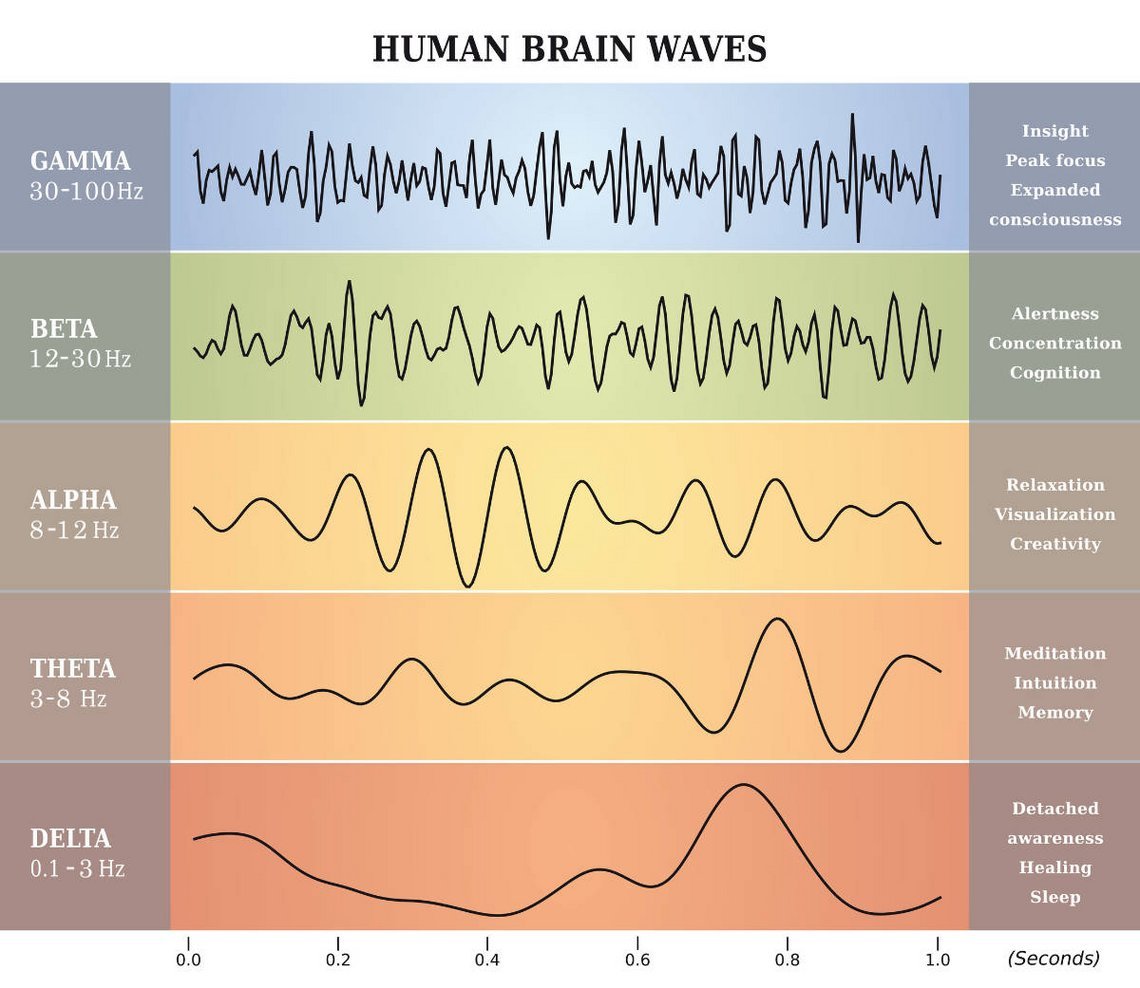
During the initial stages of the practice, as your body relaxes, your brain transitions from active, Beta to slower Alpha brain waves. In such, marking the beginning of relaxation, promoting a sense of peace and reducing stress.
As the practice deepens, you may even enter the Theta wave state. Experience practitioners are even believed to reach Delta waves (the final two sleep state stages).
Where to practice Yoga Nidra?
Yoga Nidra is the simplest, most accessible and powerful yoga practice out there. No yoga studio, instructor, fancy gear, or special clothes needed. Just find a comfy spot to lie down, tune in, and let the magic happen. That’s all it takes!
Practicing from home, you can join a live online class or follow a YouTube video anytime you want. If you prefer, you can also enjoy the energy of a group by attending a yoga class at a local yoga studio.
3 tips Yoga Nidra
Here are my recommendations:
At home YouTube:
Kamini Desai is an excellent Yoga Nidra teacher. She has 13 free Yoga Nidra classes on her YouTube channel: I AM Education. There is also an app that you can use: more information on her website.
I use her videos on YouTube almost everyday to recharge. Sometimes, when I’m feeling overwhelmed or just need a moment to unwind, I lie down and listen to a Nidra. After a session, I feel energised, clear-headed and ready to face the rest of my day. It really helps me immensely in coping with the stresses of daily life.
At home live online class:
I highly recommend Barbara’s Yin 'n Nidra Class (Tuesdays 20:00-21:30) at Svaha Yoga. It is possible to follow this class online, live from your own home. You need an online abbo for this.
If you happen to live in Amsterdam, you can join this class in the studio. Lucky you!
When I was still living in Amsterdam, I followed this class in the studio. Since I am living in Switzerland, I sometimes follow this class online. This is really sweet, because I practice Yoga Nidra in my bedroom and after class, I roll into bed for a excellent night of sleep. Maybe see you online ;-)?
In a Yoga Studio
Look for a yoga studio where you live and follow a class there. Find your zen just around the corner!
📚 Want to dive deeper?
If you’re like me and want to understand the "why" behind the "om," these are my favourite books on the topic of Yoga Nidra and Stress:
Please let me know what you think down in the comments below. Thank you.
Enjoy your rest! Love Joyce



This salad brings together the winning combo of eggs and avocado—because, let’s be honest, it tastes amazing! Since I skip meat, I crafted this recipe with vegetarians in mind by adding protein-packed quinoa and crunchy pumpkin seeds. Perfect for vegetarians. Try it now.